The Benefits of Using a Diagnostic Repair Service for Your Vehicle
The benefits of employing a diagnostic repair service for a vehicle are substantial and wide-ranging. These offerings boost overall performance and vehicle safety while keeping minor faults from developing into costly repairs. By detecting issues at an early stage, they contribute to maintaining the car's dependability and fuel economy. However, many drivers overlook the value of routine diagnostic checks. Knowing what these services provide can lead to more informed decisions about car upkeep and long-term performance. What criteria should one evaluate when selecting a diagnostic repair service?
The Importance of Diagnostic Repair Services
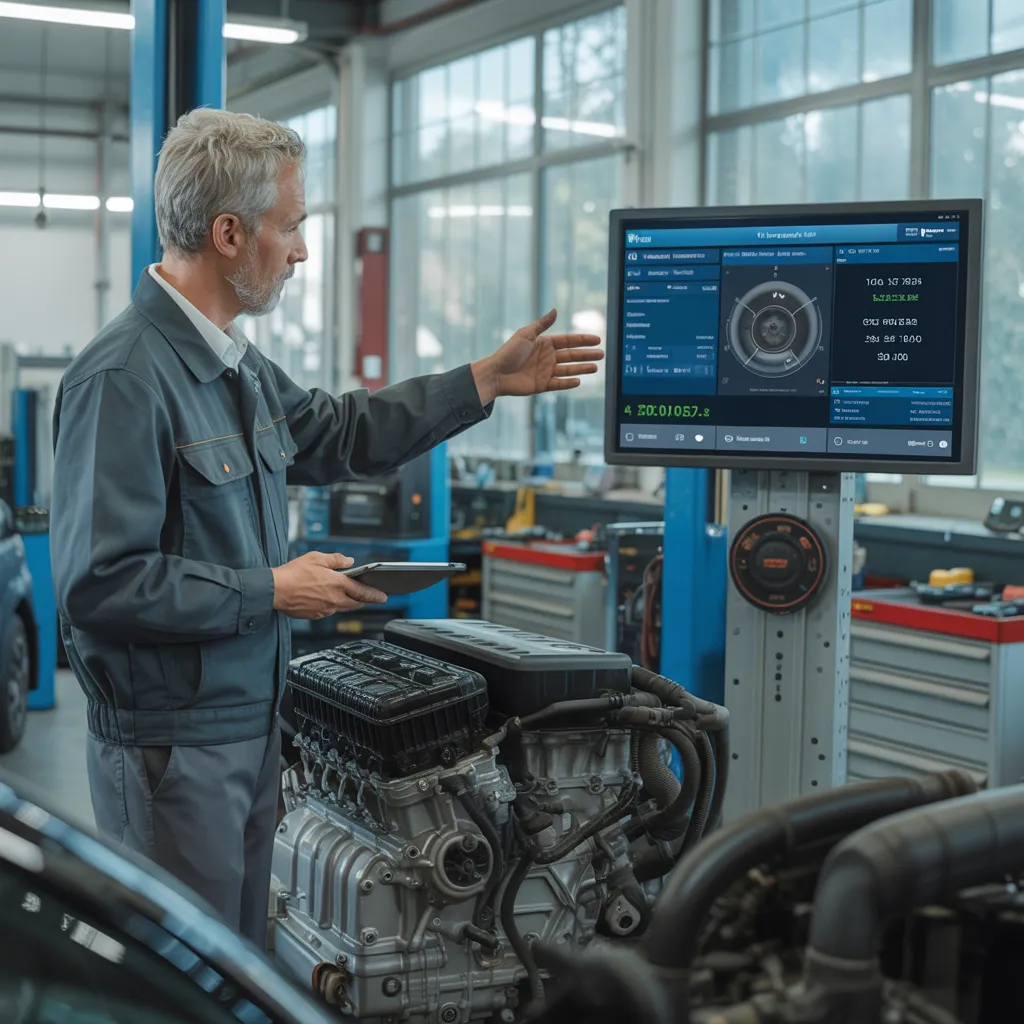
Diagnostic repair services are fundamental in keeping vehicles performing safely and efficiently. These services make use of cutting-edge technology and specialized equipment to evaluate a vehicle's systems, detecting potential problems before they develop into major concerns. By performing detailed diagnostic assessments, skilled technicians can detect faults in key components such as the engine, drivetrain, and electrical systems.
This preventative strategy not only improves the durability of the vehicle but also secures maximum fuel efficiency and performance. Furthermore, diagnostic services assist in complying with safety standards, minimizing the likelihood of accidents resulting from mechanical failures. Consistent diagnostics facilitate knowledgeable decisions about repairs and servicing, potentially helping owners avoid substantial costs down the line. At its core, the significance of diagnostic repair services stems from their ability to offer peace of mind, confirming that vehicles perform reliably and safely on the road.
Frequent Vehicle Problems Identified Accurately
A large number of vehicle owners experience various typical problems that specialized services can accurately identify. These concerns frequently encompass engine problems, transmission difficulties, and electrical system malfunctions. For instance, a vehicle's engine might produce strange sounds or show reduced efficiency, necessitating a comprehensive inspection. Transmission difficulties may present themselves as erratic gear changes or jarring transitions, which specialized diagnostic evaluations can detect.
Furthermore, dashboard warning lights can highlight various concerns, from mild to critical, indicating the necessity of immediate attention. Braking issues, such as squeaking or decreased braking performance, also demand precise diagnosis to guarantee safety. By making use of vehicle diagnostic services, vehicle owners can identify these problems early, preventing further damage and costly repairs. At the end of the day, acknowledging and tackling these frequent vehicle issues through expert diagnosis supports both long-term vehicle health and the safety of drivers.
How Diagnostic Tools Detect Vehicle Problems Precisely
Diagnostic instruments employ advanced technology to pinpoint vehicle issues with outstanding accuracy. By integrating real-time data analysis, these systems can analyze numerous systems across the vehicle, offering real-time feedback on performance and potential problems. This exactness boosts the productivity of repair procedures, ultimately resulting in superior vehicle upkeep.
Cutting-Edge Technology Integration
As modern vehicles continue to advance in complexity, the integration of advanced diagnostic tools has revolutionized the way issues are identified and addressed. Today's diagnostic systems make use of refined software and hardware to assess a vehicle's electronic systems, empowering technicians to locate faults with impressive accuracy. These devices are capable of reading error codes, tracking sensor data, and conducting system checks in real time. By converting complex vehicle data into clear and comprehensible information, they assist in removing uncertainty and shortening repair durations. Furthermore, the application of advanced technology ensures that technicians remain informed about the newest vehicle models and their unique needs. Such precision not only increases the efficiency of repair work but also strengthens overall vehicle safety and performance, establishing diagnostic repair services as an invaluable necessity.
Live Data Analysis
Utilizing real-time data processing, modern diagnostic tools accurately detect vehicle issues with accuracy. These devices capture and process information from multiple sensors throughout the vehicle, empowering automotive specialists to detect faults efficiently. By evaluating key indicators such as engine performance, fuel efficiency, and emission levels, specialists can identify root causes that might go undetected in a standard inspection. This proactive approach allows for timely interventions, reducing the risk of more extensive damage and costly repairs. Furthermore, real-time data can facilitate better communication between the specialist and the automobile owner, ensuring transparency regarding the issues and recommended solutions. Altogether, the use of real-time data analysis greatly enhances the exactness and productivity of vehicle diagnostics.
Why Do Experienced Technicians Matter in Diagnostics?
Expert technicians serve a critical role in vehicle diagnostics due to their advanced technical knowledge. Their skills provide for swift problem identification, decreasing downtime for automobile owners. Moreover, qualified technicians improve repair precision, confirming that issues are addressed accurately on the first attempt.
Expert Technical Expertise
Technical proficiency is a critical factor in the effectiveness of vehicle diagnostics. Skilled technicians have a comprehensive knowledge of automotive systems, allowing them to accurately interpret complex data gathered from diagnostic tools. Their comprehensive training enables them to detect patterns and inconsistencies that less practiced individuals could fail to notice. This in-depth expertise ensures technicians can accurately separate minor faults from serious complications, resulting in more precise diagnoses. Moreover, veteran professionals are generally knowledgeable about the newest technological innovations, which play a vital role in modern-day vehicles. Their commitment to keeping pace with industry changes improves their diagnostic proficiency, establishing them as essential assets in uncovering underlying problems rapidly and effectively. Ultimately, their expertise translates into more reliable and efficient vehicle repairs.
Streamlined Problem Recognition
Exact issue identification is fundamental in vehicle diagnostics, and the proficiency of seasoned technicians greatly enhances this process. Experienced technicians possess a thorough knowledge of numerous vehicle systems, allowing them to rapidly identify issues that may escape less knowledgeable mechanics. Their proficiency with diagnostic equipment and tools enables them to analyze data accurately, leading to swifter and more accurate conclusions. Additionally, seasoned technicians can draw on prior knowledge to detect patterns in vehicle operation, facilitating swift identification of recurring problems. This efficiency not only saves time but also reduces the potential for misdiagnosis, ensuring that the correct issues are addressed promptly. As a result, utilizing experienced technicians for vehicle diagnostics leads to improved overall vehicle performance and longevity.
Advanced Repair Accuracy
Attaining improved repair precision depends on the expertise of mechanics who possess a wealth of knowledge in vehicle diagnostics. Experienced technicians are well-versed in the nuances of various vehicle systems, enabling them to identify problems accurately. Their comprehensive education and hands-on experience enable them to utilize advanced diagnostic tools effectively, confirming that problems are identified correctly the first time. This decreases the risk of faulty assessments and redundant repairs, ultimately saving time and money for vehicle owners. Additionally, their familiarity with OEM standards confirms that services are conducted at the highest level. Essentially, the expertise of experienced mechanics is vital to attaining precise diagnostic results, contributing to enhanced automotive reliability and durability.
Cost-Reduction Benefits of Timely Diagnostic Repair Services
Early vehicle diagnostic services offer vehicle owners substantial savings on repair costs. Addressing issues promptly can prevent minor problems from escalating into major repairs, which often incur higher labor and parts costs. By identifying and rectifying faults early, vehicle owners can extend the lifespan of their vehicles, minimizing the need for expensive repairs and part replacements.
In addition, timely diagnostics contribute to optimizing vehicle performance, which leads to greater fuel efficiency. A well-maintained vehicle is less likely to suffer from unexpected breakdowns, saving owners from roadside assistance fees and potential towing charges. Additionally, regular diagnostic checks can uncover underlying issues that may not be immediately noticeable, permitting timely intervention before such problems develop into critical concerns.
When all is said and done, utilizing timely vehicle diagnostics not only protects a vehicle's present performance but also boosts long-lasting cost savings, making it a wise choice for conscientious vehicle owners.
Spotting Signs That Point to the Need for Diagnostic Services
Car owners should be vigilant in detecting signs that indicate the need for vehicle diagnostics. Unusual noises, such as knocking or grinding noises, can indicate underlying mechanical concerns that require immediate attention. Furthermore, indicator lights on the dashboard, especially the check engine light, should never be ignored, as they often indicate underlying mechanical issues.
Shifts in vehicle behavior, like sluggish acceleration or hard starting, might also signal the necessity of a professional diagnostic inspection. Fluctuating fuel efficiency can point to underlying engine or fuel system concerns that may require prompt professional assessment.
Finally, persistent vibrations or steering issues can indicate suspension or alignment issues. By staying alert to these warning signs, vehicle owners can take initiative in seeking diagnostic assessments, keeping their vehicles safe and dependable while potentially saving on costly repairs in the long run.
Common Questions and Answers
How Often Should My Vehicle Be Diagnosed?
A car should typically be diagnosed once a year or whenever warning lights appear. Routine diagnostic checks help uncover potential problems in advance, ensuring maximum efficiency and reducing the risk of costly repairs, ultimately prolonging the life of the vehicle and improving safety.
Can I Perform Diagnostics Myself at Home?
Absolutely, you can carry out vehicle diagnostics at home by utilizing budget-friendly OBD-II scan tools. That said, while basic issues could be diagnosed, complex problems frequently require professional knowledge for a thorough diagnosis and proper repair solutions.
What Kinds of Vehicles Benefit the Most From Diagnostic Services?
Luxury vehicles, hybrids, and those with advanced technology systems gain the greatest advantage from professional diagnostic services. The intricate electronic systems in these vehicles demand specialized equipment and expert knowledge, ensuring accurate problem identification and efficient repairs to preserve optimal performance levels and vehicle safety.
Is Warranty Coverage Available for Diagnostic Repairs?
Diagnostic repairs may be covered by warranty, depending on the specific terms and conditions of the warranty. Automobile owners should check their warranty paperwork or reach out to their provider to understand the extent of coverage available for such repairs.
How Long Does a Typical Diagnostic Service Take?
A routine check this diagnostic service usually takes between one and two hours, based on the vehicle's complexity and the particular problems being examined. Elements such as the skill of the technician and diagnostic equipment play a role in determining the length of the service.
Improve